DHAANYA’S DENTAL CLINIC! At Mogappair!
get your allergies in check !
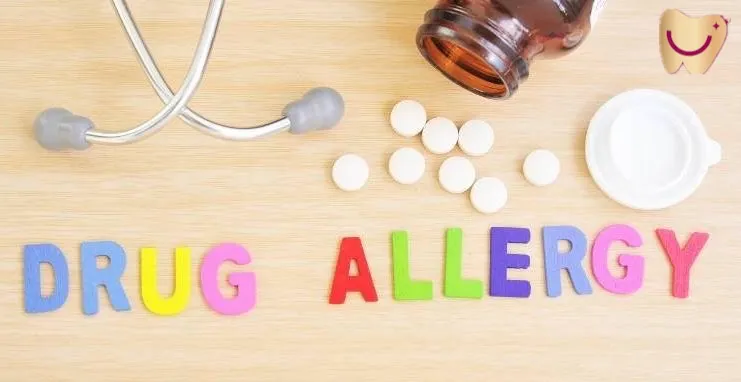
Medication allergies can pose significant challenges during dental treatment, as some dental procedures may involve the use of medications that could trigger an allergic reaction. Here are some key considerations and steps to manage medication allergies in dental settings:
### Common Allergens in Dental Medications
1. **Local Anesthetics:** Lidocaine, mepivacaine, and articaine are commonly used local anesthetics. Allergic reactions to these are rare, but they can occur.
2. **Antibiotics:** Penicillin and related antibiotics are frequently used to prevent or treat infections. Penicillin allergy is one of the most common drug allergies.
3. **Non-Steroidal Anti-Inflammatory Drugs (NSAIDs):** Aspirin and ibuprofen are NSAIDs that may be used for pain relief during or after dental procedures.
4. **Sedatives and Anxiolytics:** Medications like benzodiazepines (e.g., diazepam) or nitrous oxide may be used for anxiety management during dental procedures.
### Steps to Manage Medication Allergies in Dental Treatment
1. **Patient History:** Dentists typically obtain a thorough medical history, including allergies, before any procedure. Patients should inform their dentist of any known allergies, including reactions to medications, foods, or other substances.
2. **Allergy Testing:** In cases where there is uncertainty or concern about an allergy, referral to an allergist for testing may be necessary.
3. **Alternative Medications:** If a patient has a known allergy to a medication typically used in dental procedures (e.g., penicillin), the dentist may choose an alternative antibiotic or local anesthetic that is safe for the patient.
4. **Emergency Preparedness:** Dental offices should be equipped with emergency medications and have staff trained in managing allergic reactions, including anaphylaxis. This includes having epinephrine (adrenaline) available for immediate treatment of severe allergic reactions.
5. **Documentation:** Allergies should be clearly documented in the patient's dental records to ensure that all members of the dental team are aware and can take appropriate precautions.
6. **Preventative Measures:** Avoiding unnecessary medications and using the lowest effective dose when prescribing medications can reduce the risk of allergic reactions.
### Communicating with Your Dentist
Patients with known medication allergies should openly communicate with their dentist about their allergies and any concerns they have. Dentists and dental hygienists are trained to handle allergies and will work with patients to ensure safe and effective treatment.
By being proactive about disclosing allergies and discussing concerns with your dentist, you can help ensure that your dental treatment is safe and tailored to your individual needs.
Keywords