DHAANYA’S dental clinic in Mogappair!
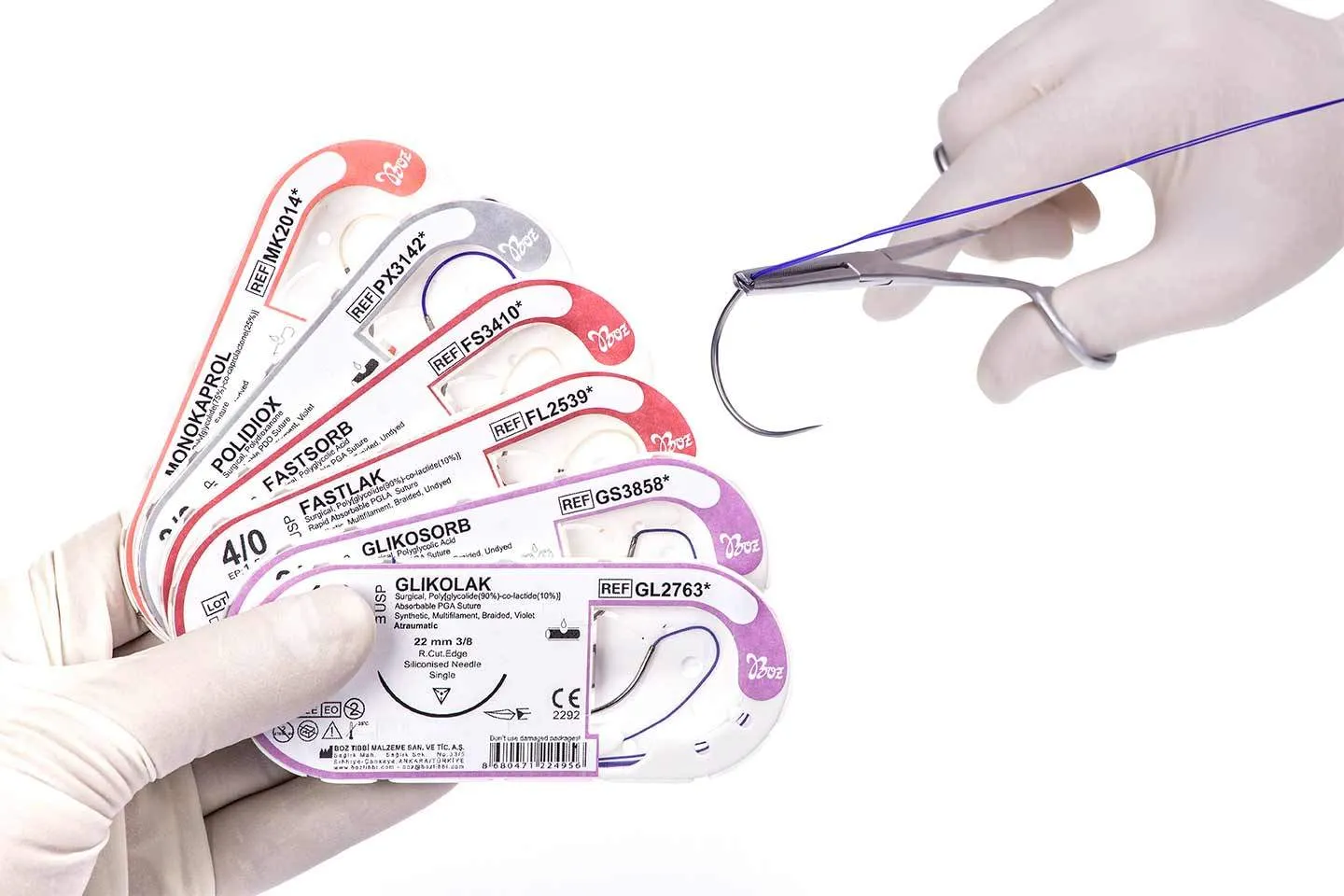
Absorbable sutures, also known as absorbable stitches or sutures, are a type of surgical suture that are designed to degrade over time within the body. These sutures are made from materials that are metabolized or broken down naturally by the body's enzymes, eliminating the need for their removal after a certain period.
Here are some key points about absorbable sutures:
1. Material Composition: Absorbable sutures are typically made from materials such as polyglycolic acid (PGA), polylactic acid (PLA), or a copolymer of glycolic and lactic acids. These materials are biodegradable and are absorbed gradually by the body's tissues.
2. Biodegradation: The sutures break down enzymatically over time. The rate of absorption depends on the material used and can vary from a few days to several weeks. During this process, the suture material loses its tensile strength and eventually is absorbed into the surrounding tissue.
3. Types of Absorbable Sutures: There are different types of absorbable sutures designed for various surgical applications. Examples include:
Poly glycolic Acid (PGA): Fast-absorbing sutures suitable for soft tissue approximation and ligation.
Poly lactic Acid (PLA): Absorbable sutures with a longer absorption profile, used for deeper tissue layers or for wound closure where prolonged support is needed.
Copolymer Sutures: These combine different ratios of glycolic and lactic acids to adjust the absorption rate and strength of the suture.
4. Advantages: The primary advantage of absorbable sutures is that they do not require removal, which reduces patient discomfort, eliminates the need for a follow-up visit for suture removal, and decreases the risk of wound infection associated with suture removal.
5. Indications: Absorbable sutures are commonly used for internal surgical closures, such as in deep tissue layers or within body cavities where non-absorbable sutures would cause irritation or would need to be removed later.
6. Considerations: Although absorbable sutures degrade naturally, the choice of suture material and size is crucial and depends on factors such as wound tension, tissue type, and healing characteristics.
Absorbable sutures are an important tool in modern surgical practice, offering convenience and effective wound closure without the need for subsequent removal. Their appropriate selection and use contribute significantly to optimal patient outcomes and comfort post-surgery.
Keywords