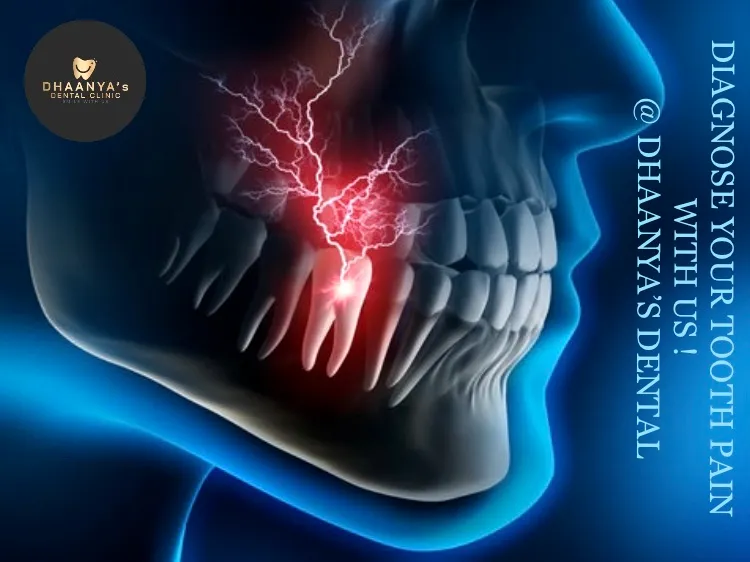
Diagnose your tooth pain with DHAANYA’S DENTAL CLINIC!
Tooth pain can manifest in various ways, each indicative of different dental issues. Here are some common types of tooth pain in dentistry:
1. **Sharp, Sudden Pain**: This type of pain is often associated with tooth sensitivity, especially to hot or cold foods and beverages. It can indicate tooth decay, a cracked tooth, or exposed dentin due to gum recession.
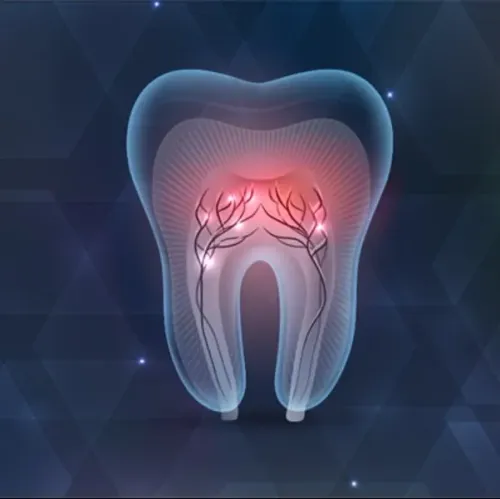
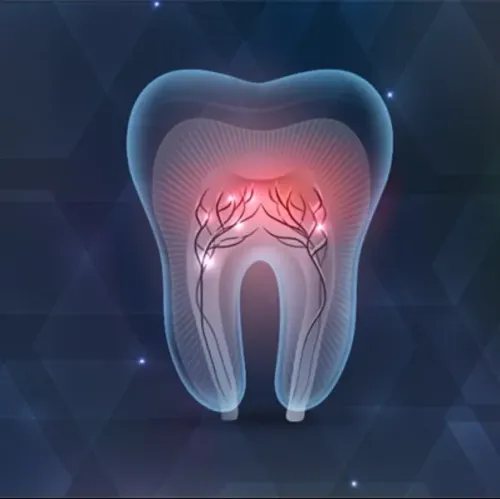
2. **Throbbing Pain**: Throbbing or pulsating pain typically indicates an infection or inflammation in the tooth pulp, which is the innermost part of the tooth containing nerves and blood vessels. This could be due to advanced tooth decay, an abscess, or a dental injury.
3. **Constant, Dull Ache**: A persistent, dull ache may signal chronic conditions such as gum disease (periodontitis) or bruxism (teeth grinding). It can also be a sign of a dying or damaged tooth nerve.
4. **Pain Upon Biting or Chewing**: Pain that occurs when biting or chewing can be caused by a cracked tooth, a loose filling, or an abscess. It indicates structural damage to the tooth or surrounding tissues.
5. **Pain in Surrounding Area**: Sometimes, the pain may not be localized to a specific tooth but can radiate to the jaw, ear, or even the head and neck. This type of pain can be associated with conditions like temporomandibular joint disorder (TMJ), sinus infections, or referred pain from dental issues.
6. **Intermittent Sharp Pain**: Intermittent sharp pain, especially when triggered by certain stimuli (like pressure or temperature changes), may indicate nerve irritation or inflammation. This could be due to conditions such as pulpitis or dental nerve hypersensitivity.
7. **Pain with Gum Swelling**: Pain accompanied by swelling of the gums can indicate an abscess or infection in the gums or surrounding tissues. This requires immediate attention to prevent the spread of infection.
8. **Pain After Dental Procedures**: Some level of discomfort or sensitivity is normal after certain dental procedures like fillings, root canals, or extractions. However, severe or prolonged pain after such procedures may indicate complications like infection or nerve damage.
It's essential to pay attention to the type, duration, and intensity of tooth pain and seek dental care promptly if you experience any discomfort. Early diagnosis and treatment can prevent further complications and alleviate discomfort.
Keywords