Know the advances in dentistry with. DHAANYA'S DENTAL CLINIC! At Mogappair!
Advances in dentistry have been remarkable over recent years, driven by technology, research, and innovative techniques. Here are some key areas where dentistry has seen significant advancements:
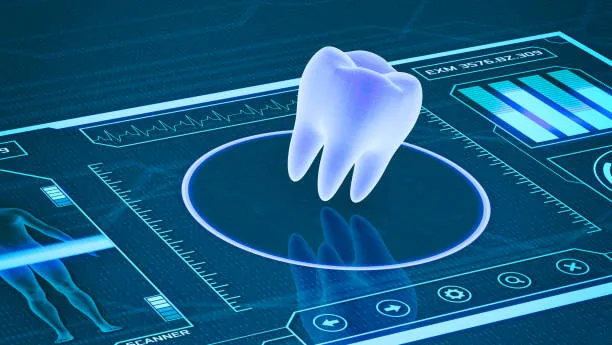
1. **Digital Dentistry**: The advent of digital technologies has revolutionized dentistry. Digital imaging, CAD/CAM (Computer-Aided Design/Computer-Aided Manufacturing), and 3D printing have streamlined processes like making crowns, bridges, and aligners. This improves accuracy, reduces treatment time, and enhances patient comfort.
2. **Laser Dentistry**: Lasers are increasingly used in dental procedures for tasks such as cavity detection, gum disease treatment, and teeth whitening. They are less invasive, minimize bleeding, and often result in faster healing times.
3. **Minimally Invasive Techniques**: Techniques such as air abrasion, which uses tiny particles to remove decay, and the use of microscopic materials for fillings allow dentists to preserve more of the natural tooth structure.
4. **Regenerative Dentistry**: Stem cell research and tissue engineering are paving the way for regenerating damaged tissues and even growing teeth in the lab. This could potentially eliminate the need for traditional implants or dentures in the future.
5. **Tele-dentistry**: With the rise of telemedicine, dentistry has also embraced remote consultations and monitoring. This is especially valuable for follow-ups, consultations in remote areas, and initial assessments.
6. **Biocompatible Dental Materials**: Advances in materials science have led to the development of stronger, more durable, and biocompatible materials for dental restorations. These materials mimic natural teeth more closely and offer better longevity.
7. **Personalized Dentistry**: Through advancements in genetics and diagnostics, dentists can now offer more personalized treatment plans tailored to individual patients' genetic makeup and oral health profiles.
8. **Robotics and Automation**: While still in early stages, robotics are being explored for tasks such as surgical procedures and assistance in complex dental surgeries, potentially improving precision and outcomes.
These advances collectively aim to make dental treatments more effective, efficient, and comfortable for patients while also enhancing the overall quality of oral healthcare.
Keywords