

+918043692696

Currently it only shows your basic business info. Start adding relevant business details such as description, images and products or services to gain your customers attention by using Boost 360 android app / iOS App / web portal.

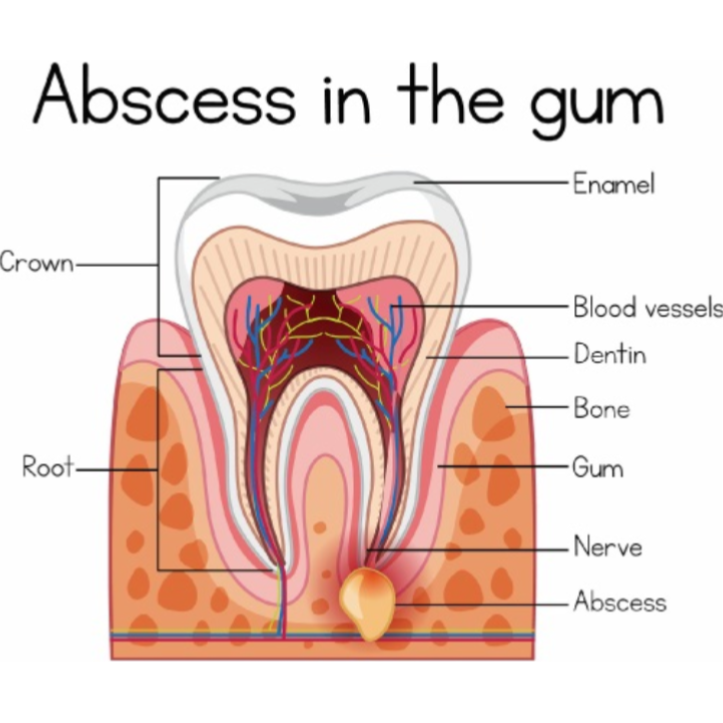
Periapical Surgery (Apicoectomy) Definition: Periapical surgery, also known as **apicoectomy**, is a minor surgical procedure performed to remove infection or inflammation in the tissues surrounding the apex (tip) of a tooth root. It is often done when conventional root canal treatment has failed or is not feasible. Indications: * Persistent periapical infection or lesion (granuloma or cyst) after root canal treatment * Presence of root fracture or perforation not accessible through the canal * Anatomical difficulties preventing proper endodontic retreatment * Obstructed root canals (e.g., by calcification, posts) * Endodontic failure with periapical pathology despite proper root filling * Periapical cyst or chronic abscess * Root resorption (external or internal) Contraindications: * Poor oral hygiene or patient non-compliance * Unrestorable or non-functional tooth * Inadequate periodontal support * Proximity to vital anatomical structures (e.g., mental foramen, maxillary sinus) * Severe systemic health issues contraindicating surgery Procedure Steps: 1. Local Anesthesia: Area is anesthetized with local anesthetic (e.g., lidocaine with epinephrine). 2. Incision and Flap Reflection: A surgical flap is created to expose the underlying bone and root tip. 3. Bone Removal: A small window is made in the bone to access the root apex and surrounding lesion. 4. Curettage: Infected tissue or cyst is removed. 5. Root-end Resection: Typically 3 mm of the root apex is removed to eliminate lateral canals and infected dentin. 6. Retrograde Preparation: A small cavity is made at the root end using ultrasonic tips. 7. Retrograde Filling: The cavity is filled with biocompatible material (e.g., MTA, IRM, Biodentine). 8. Closure: The flap is repositioned and sutured. Hemostasis is achieved. Postoperative Care: * Pain and swelling are common; usually controlled with analgesics and ice packs. * Antibiotics may be prescribed if there is a risk of infection. * Soft diet, good oral hygiene, and avoiding the surgical area are advised. * Sutures are typically removed after 5–7 days. * Follow-up X-rays assess healing over time. Complications: * Swelling, bleeding, or bruising * Postoperative pain * Infection * Nerve damage (especially in lower molars near the inferior alveolar nerve) * Sinus perforation (in upper posterior teeth) * Failure to heal or recurrence of lesion Success Rate: The success of periapical surgery depends on: * Quality of root canal treatment * Presence and type of periapical pathology * Surgical technique * Patient’s systemic health


